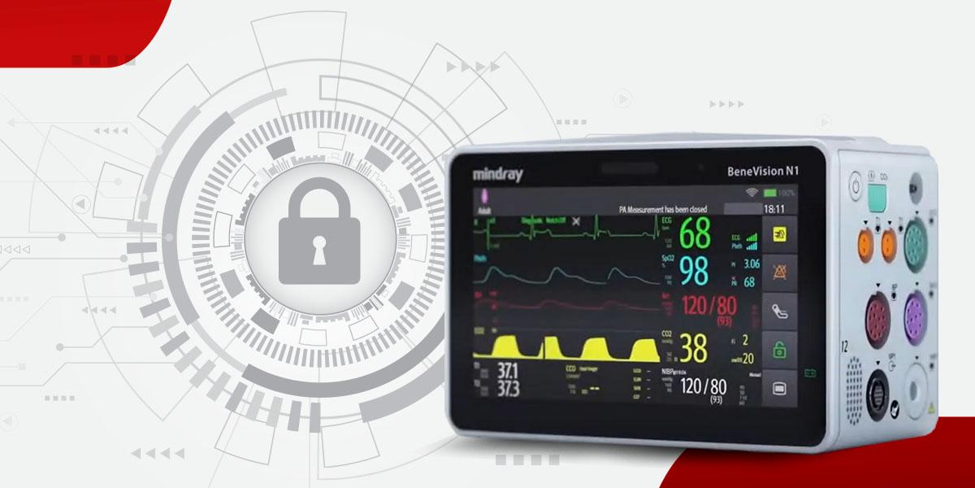
Medical Device Security
August 14, 2026
Topics
- cybersecurity
- hospitals
- medical devices
August 14, 2026
Topics
Hospitals use devices that are connected to the internet every day. These medical devices include things like MRI scanners, patient monitors, and pacemakers. Doctors use these devices to take care of patients more efficiently. When we connect these medical devices to the internet, it also creates new risks for cybersecurity, especially because they can communicate with hospital networks and store sensitive patient data.
If someone with malicious intentions gets into these medical devices, they might steal patient information, spread malware, and mess with hospital operations. As more medical devices get connected to the internet, it is becoming more important to protect them from cybersecurity threats and unauthorized access.
Many devices were created with caring for the patient as the top priority rather than cybersecurity. Some of these devices use deprecated software, weak passwords, or systems that no longer receive security updates. Outdated operating systems can contain known vulnerabilities that hackers know how to exploit.
Because these medical devices connect to the hospital’s network, if one medical device is compromised, it can grant attackers access to important systems within the hospital. Attackers may move through the network from the compromised device to other connected systems. This increases the risk of information being stolen or ransomware attacks happening.
Hospitals use thousands of devices from different companies, which makes it hard to keep them updated. Some devices are used for years, which leaves the old software open to security risks that are already known. Some manufacturers may also stop providing security updates for older devices.
Hackers might also use default passwords, unsecured wireless connections, or flaws in the software to gain unauthorized access and control parts of the entire network. Unencrypted network traffic can also allow attackers to intercept sensitive information being sent between devices.
Healthcare organizations are being targeted by cybercriminals more. Ransomware attacks have forced hospitals to delay surgeries, redirect ambulances, and stop services for a while. Ransomware works by encrypting important files or systems and demanding payment to restore access.
Researchers have also found security risks in devices like insulin pumps and pacemakers. Major vulnerabilities could potentially allow unauthorized users to change device settings or interfere with communications. This shows strong cybersecurity is essential for medical devices.
Hospitals can make their medical devices more secure by updating them, changing the default passwords, and using strong authentication such as multi factor authentication. Encrypting patient information and keeping medical devices separate from the rest of the network also helps reduce the risk.
If hospitals keep an eye on their devices at all times using network monitoring systems and train their employees about cybersecurity, then it would provide more protection. This helps hospitals find security threats such as unusual network activity before they spread.
Connected medical devices have changed the way we take care of patients, but they have also created new cybersecurity challenges. By making medical devices more secure and following cybersecurity practices, such as regular updates, encryption, and monitoring, hospitals can better protect patient information and the devices that save lives.
https://www.fda.gov/medical-devices/digital-health-center-excellence/cybersecurity
https://www.fda.gov/consumers/consumer-updates/medical-device-cybersecurity-what-you-need-know
https://www.mindray.com/na/news-and-events/blog/The-Importance-of-Medical-Device-Cybersecurity-to-Ensure-Uninterrupted-Care/
August 14, 2026
Cybersecurity is often thought of as a technology problem. Organizations spend tons of money on firewalls, endpoint protection, mu...
July 27, 2026
The Internet of Things (IoT) has become a large part of everyday life. Devices such as smart thermostats, home security cameras, f...