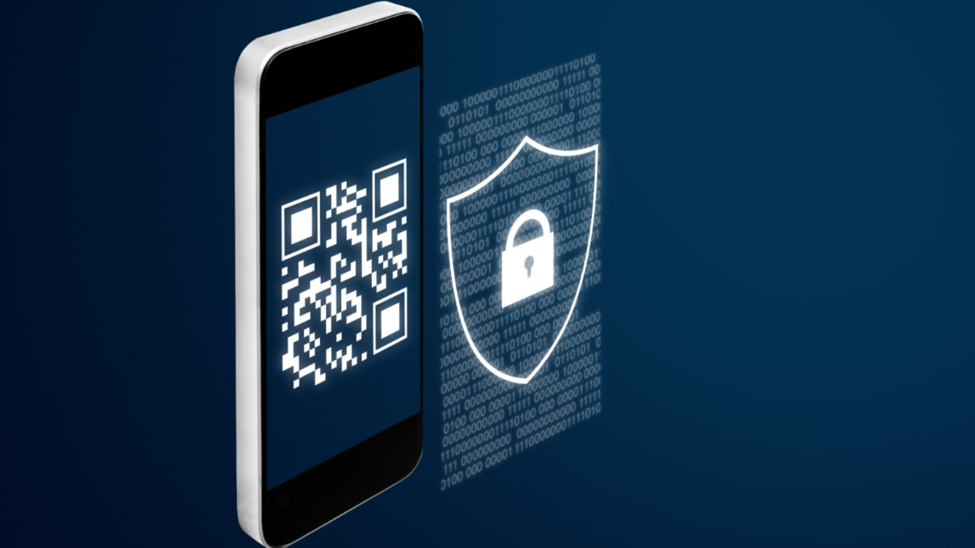
The Security Risks Behind QR Codes
October 27, 2026
Topics
- Security
- QR Codes
October 27, 2026
Topics
QR Codes are an everyday part of our daily lives. You can find them everywhere, from restaurants to parking meters, and even in your email. By scanning a QR Code, you can easily go directly to a website or get information without having to physically enter a URL.
Unfortunately, the convenience of using QR Codes has given cyber criminals the opportunity to take advantage of this. Cyber criminals have been able to create fake QR codes that when scanned, can take you to websites that are dangerous, steal your login credentials, or infect your computer with malware. This is sometimes called QR code phishing.
A QR code (Quick Response Code) is a 2D Barcode. If you scan a QR code with your smartphone, it can read the encoded data. QR codes can store various forms of data; however, the most common is web addresses. The main issue with QR Codes is that when a user views a QR code, they cannot determine where it will lead them. In contrast to a typical web address, the destination for a QR code is embedded within itself. Therefore, a user may not recognize a "suspicious" link prior to scanning the QR code.
QR code phishing occurs when an attacker creates a QR code that directs someone to a malicious website. An attacker can design this fake website to appear very similar to a legitimate login page for services such as an email account, a bank account, etc.
After creating the fake website, the attacker will typically request the victim to provide personal data such as a username and password. As soon as the person provides their personal data, the data will be transmitted to the attacker rather than the real company. Microsoft says that QR code phishing has shifted the attacks from email platforms to mobile devices, since the URL of the malicious site can be much harder for the user to review prior to entering their personal information.
QR codes can also create problems for traditional email security. A normal phishing email might contain a suspicious URL that security software can analyze before the email reaches the user. A QR code can hide that URL inside an image instead. This gives some phishing sites another way to try to get around systems that are mainly looking for suspicious text and links. Modern security systems are being designed to recognize and analyze QR codes as well. This threat has continued to grow. Microsoft reported that QR code phishing in its observed email data increased by 146% during the first quarter of 2026, reaching 18.7 million messages in March.
Malicious QR codes do not only appear online. Attackers can place their own QR codes over legitimate ones in public places. For example, the Federal Trade Commission has received reports of scammers covering real QR codes on parking meters with fake ones. Someone trying to pay for parking might scan the replacement code without realizing anything is wrong. The fake code can then lead to a website designed to steal payment or personal information. The FBI has also warned about scams where unexpected packages contain QR codes. Scanning one can lead to a website that will attempt to collect personal or financial information.
The simplest way to protect yourself from harm when using QR codes is to treat them as you would any other website link. Before opening the site, users should view the URL preview of the site on their phone and look for suspicious domain names, misspelled words, or anything else that seems unusual, as these could be signs that the website is not legitimate.
People should also be cautious with opening QR codes received unexpectedly through email, message, and package delivery. Users should keep their devices up to date and utilize security measures such as multi-factor authentication as an additional layer of security in the protection of their login credentials.
There are also a variety of security tools available to organizations that will allow them to scan the URLs of QR codes contained within email messages and determine whether those URLs are malicious prior to allowing users to click on them.
QR codes allow people to access websites and information more quickly. However, QR codes may also conceal where the user will be directed when scanning them. Due to the ability of QR codes to direct users to various locations, cybercriminals have taken advantage of QR codes to conduct phishing attacks, steal personal information, and carry out other scams.
With the increasing use of QR codes, both users and organizations must exercise caution when scanning QR codes. Verifying the destination of a QR code before scanning it and treating unfamiliar QR codes in the same way as suspicious links can reduce the risk of serious cybersecurity issues.

October 27, 2026
Artificial intelligence has become one of the biggest changes in technology over the past few years. Organizations are using AI fo...

September 24, 2026
Satellites are used for many different purposes in modern society. These include communication, navigation, weather monitoring, GP...